November 18, 2026
Installing a new heating and cooling system is an important investment in your property's comfort, energy efficiency, and long-term functionality. Whether your existing equipment has reached the end of its lifespan or you are upgrading to a system that better accommodates your household's needs, understanding the installation process can make the experience less stressful. HVAC installations involve several steps, from evaluating your property's heating and cooling requirements to testing the equipment after everything is connected. Knowing what happens during each stage can help you prepare your home and understand what your technicians are doing. At Fluette Heating & Air Conditioning, LLC, proper preparation and attention to detail help ensure that your new system is installed with your comfort and equipment performance in mind.
Understanding the Initial Assessment
Before installation begins, HVAC technicians typically perform an evaluation of your existing heating and cooling equipment and the property itself. This assessment helps determine which system will provide adequate heating and cooling without being unnecessarily large or small for the space. Factors such as square footage, insulation, ceiling height, window placement, and the number of occupants can all influence the recommended equipment.
Technicians may also inspect your current ductwork, electrical connections, thermostat, and ventilation components. If you are replacing an older system, they will consider whether the existing infrastructure can accommodate the new equipment. For example, aging or improperly sized ducts may restrict airflow and prevent a new system from operating as efficiently as intended.
During this stage, you can also discuss your comfort concerns and expectations. Perhaps certain rooms never seem to reach the desired temperature, your energy bills have increased, or your current equipment struggles during particularly hot or cold weather. Sharing these concerns helps technicians understand what you want to improve. A thorough initial assessment provides a foundation for successful HVAC installations and helps identify potential complications before work begins.
Preparing Your Home for Installation
Once the appropriate equipment has been selected and the installation has been scheduled, there are a few ways to prepare your property. Technicians will need access to the areas where the indoor and outdoor equipment will be installed. Depending on your system, this may include a basement, attic, utility closet, garage, or designated outdoor area.
Before the scheduled appointment, consider moving furniture, storage containers, and other belongings away from the work areas. Clearing pathways makes it easier for technicians to transport equipment and tools without accidentally damaging your possessions. If the installation involves attic or crawl space access, make sure those areas are reasonably accessible as well.
You should also plan for some temporary disruption to your home's normal routine. Technicians may need to turn off electricity to certain components, disconnect your existing equipment, or temporarily interrupt heating and cooling while the work is underway. If you work from home or have pets that may become uncomfortable around unfamiliar people and equipment, planning can make the day easier.
Your installation team should explain any specific preparations needed before arriving. Taking these steps can help HVAC installations proceed more smoothly and reduce unnecessary delays.
Removing the Existing HVAC Equipment
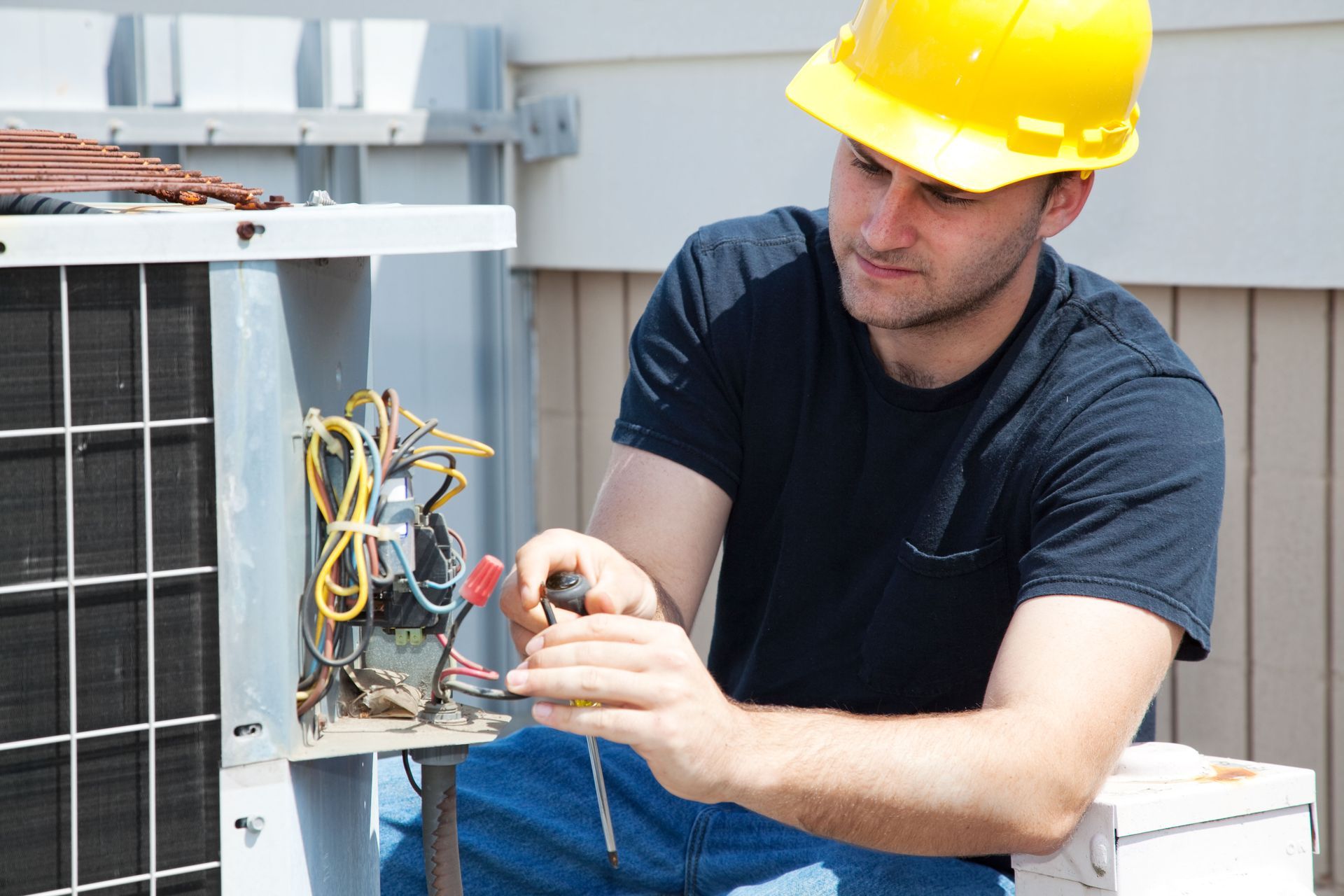
If your project involves replacing an existing heating and cooling system, technicians will generally begin by safely disconnecting and removing the old equipment. This process requires attention to electrical connections, refrigerant lines, drainage components, and other system connections.
For air conditioning systems and heat pumps, refrigerant must be handled according to applicable environmental regulations. Technicians use appropriate recovery equipment to collect refrigerant rather than releasing it into the atmosphere. Electrical connections are also disconnected safely before the equipment is moved.
Once everything has been disconnected, the old indoor and outdoor components can be removed. Depending on the equipment's size and location, this may involve navigating narrow hallways, staircases, or access panels. Technicians will also assess the condition of the surrounding installation area to determine whether any repairs or adjustments are necessary before the replacement equipment is installed.
Removing the existing system is an important part of HVAC installations because it provides an opportunity to address problems that may have affected the previous equipment. Damaged connections, deteriorating insulation, or drainage issues can be identified before the new system is put into operation.
Installing the New Heating and Cooling System
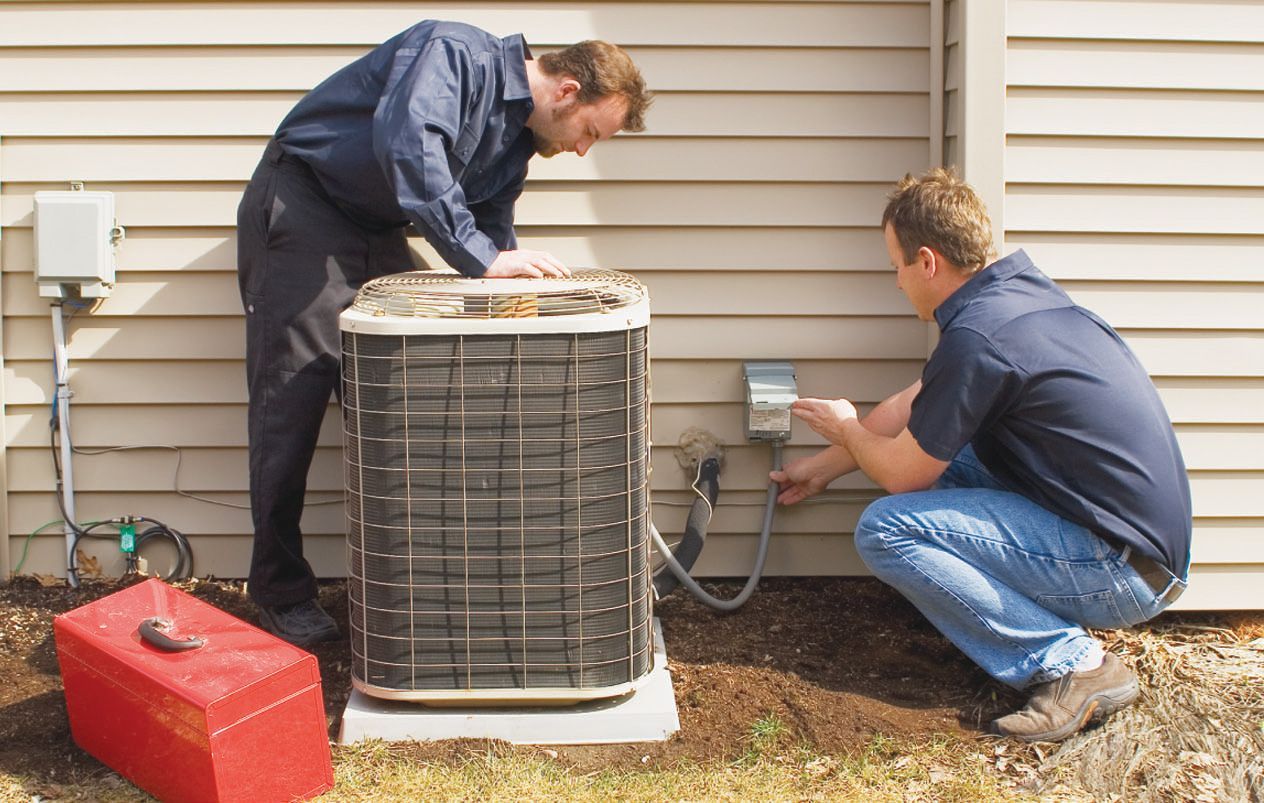
After the old equipment has been removed and the installation area is ready, technicians can begin positioning and connecting the new system. The exact process depends on the type of equipment being installed, whether it is a furnace, air conditioner, heat pump, or another configuration.
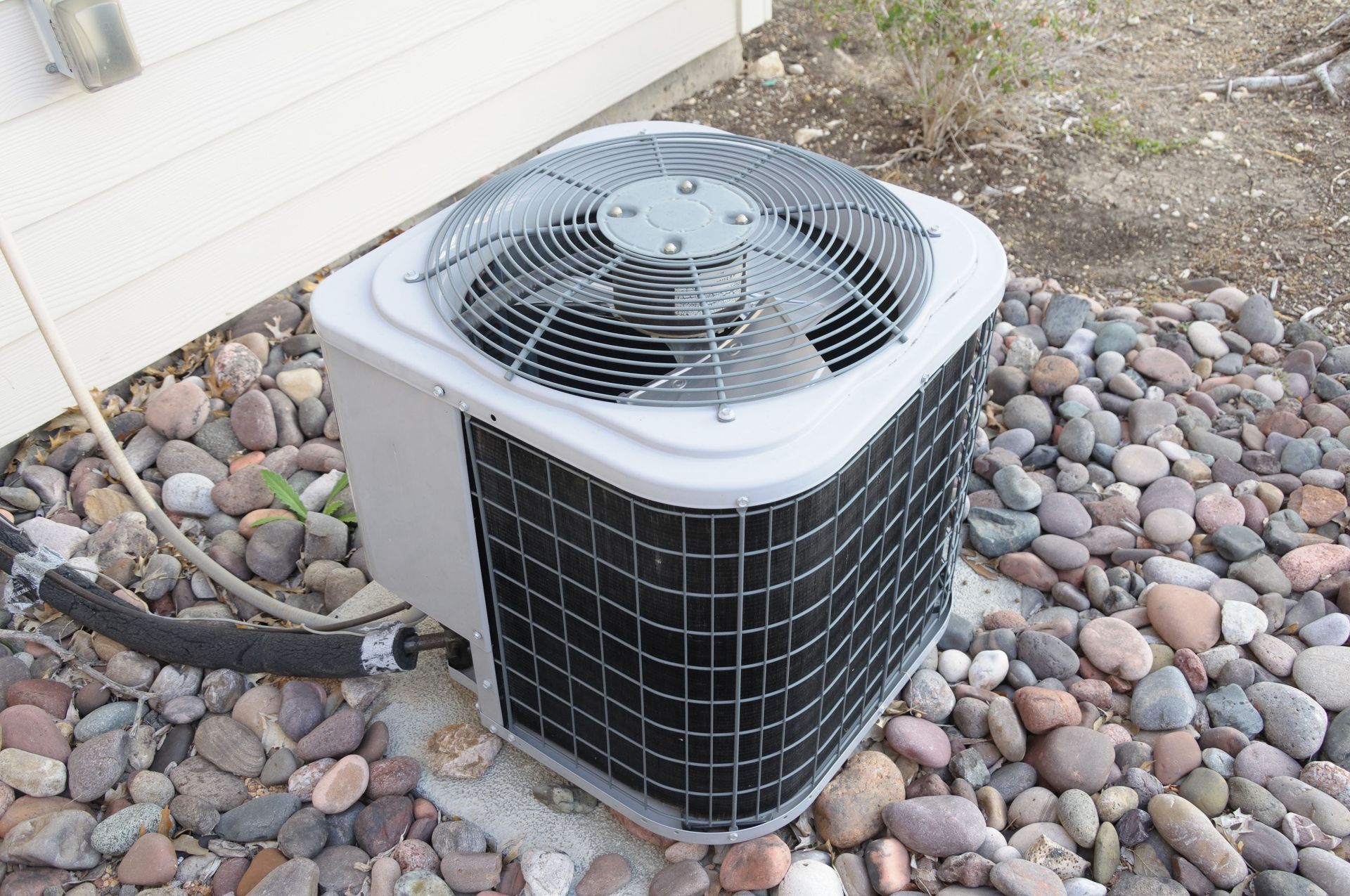
Indoor equipment must be positioned securely and connected to the appropriate electrical, ventilation, and drainage components. Outdoor units need a stable, level surface with adequate clearance for airflow and maintenance access. Proper placement helps prevent unnecessary vibration and allows the equipment to operate as intended.
Technicians will also connect refrigerant lines when applicable, ensuring that the connections are properly sealed and insulated. Electrical wiring, condensate drainage, and other necessary components must be installed according to manufacturer specifications and applicable building codes.
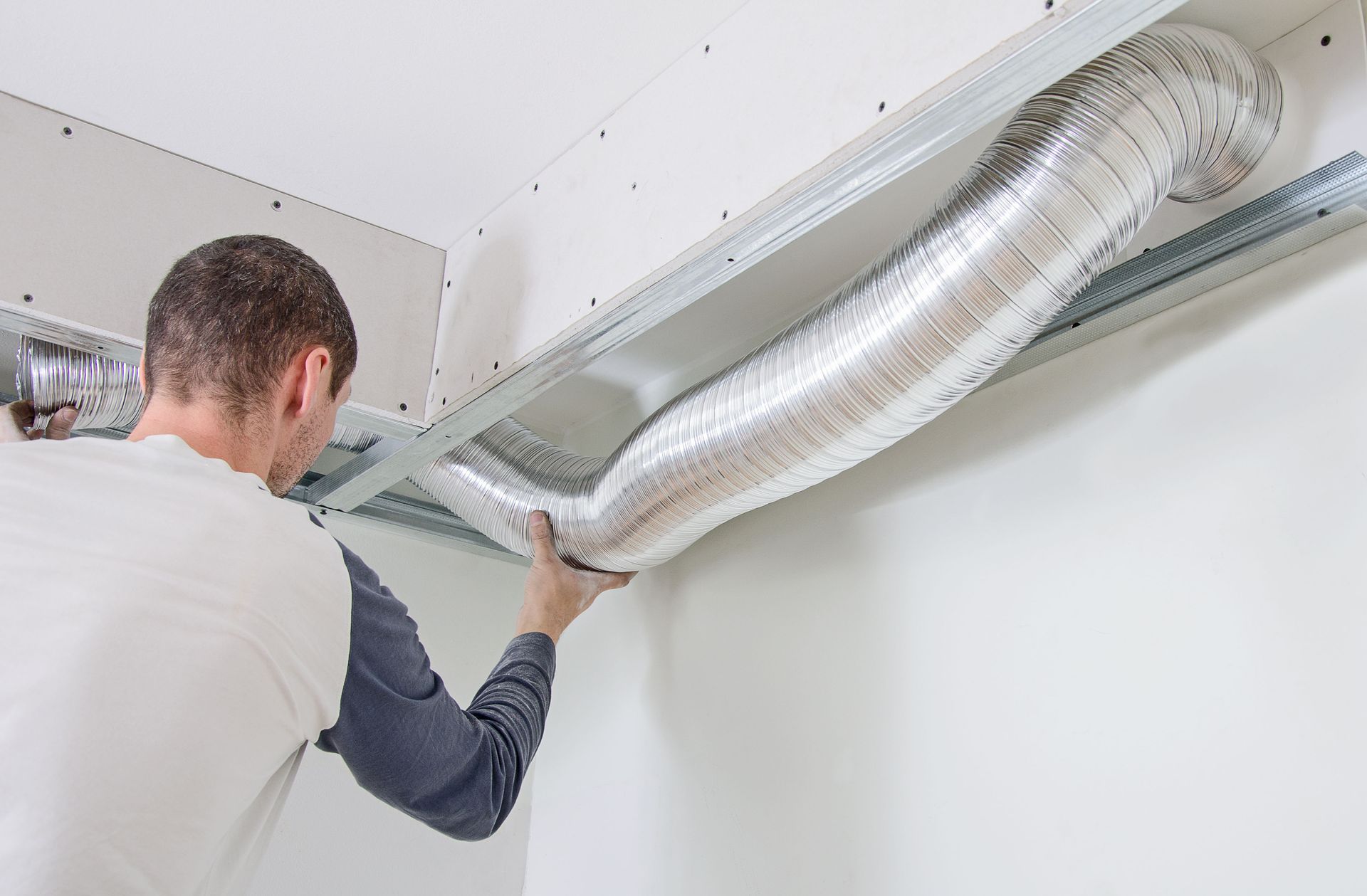
If the installation requires modifications to existing ductwork, those adjustments will also take place during this stage. Properly connected ducts help distribute conditioned air throughout the property while minimizing unnecessary air loss.
Professional HVAC installations involve more than simply placing new equipment where the old system once stood. Every connection and component must work together to support reliable operation. Careful installation practices help reduce the likelihood of performance problems and unnecessary repairs later.
Understanding the Installation Timeline
One of the most common questions homeowners have is how long they should expect the installation process to take. The timeline depends on several factors, including the type of equipment, the property's layout, the condition of existing infrastructure, and whether additional modifications are needed.
According to HomeGuide, installing an HVAC system takes one to two days on average if using the existing ductwork or three to five days if installing new ductwork. This difference demonstrates how much the condition of your property's existing infrastructure can influence the project timeline.
A straightforward replacement may take less time because technicians can use compatible connections and ductwork that are already in place. However, installations involving new ductwork, electrical upgrades, or significant equipment relocation typically require additional labor and planning.
Weather conditions, equipment availability, and unexpected issues discovered during removal can also affect scheduling. For example, technicians may discover that existing ducts have leaks or that certain electrical components need attention before the new system can operate safely.
Your installation team should provide an estimated schedule before work begins and communicate any changes that arise. Understanding the expected timeline can help you make arrangements for your household and avoid surprises.
Knowing what to expect during HVAC installations can make upgrading your heating and cooling equipment a more manageable experience. From the initial property assessment and removal of existing equipment to installing new components and testing system performance, every stage contributes to the finished result. Preparing your home, understanding the expected timeline, and asking questions along the way can help you feel more confident throughout the process.
Fluette Heating & Air Conditioning, LLC understands the importance of having a dependable heating and cooling system. Whether you are replacing outdated equipment or planning a new installation, working with experienced HVAC professionals can help ensure that important details are addressed. Contact Fluette Heating & Air Conditioning, LLC to discuss
HVAC installations and learn more about the installation services available for your property.